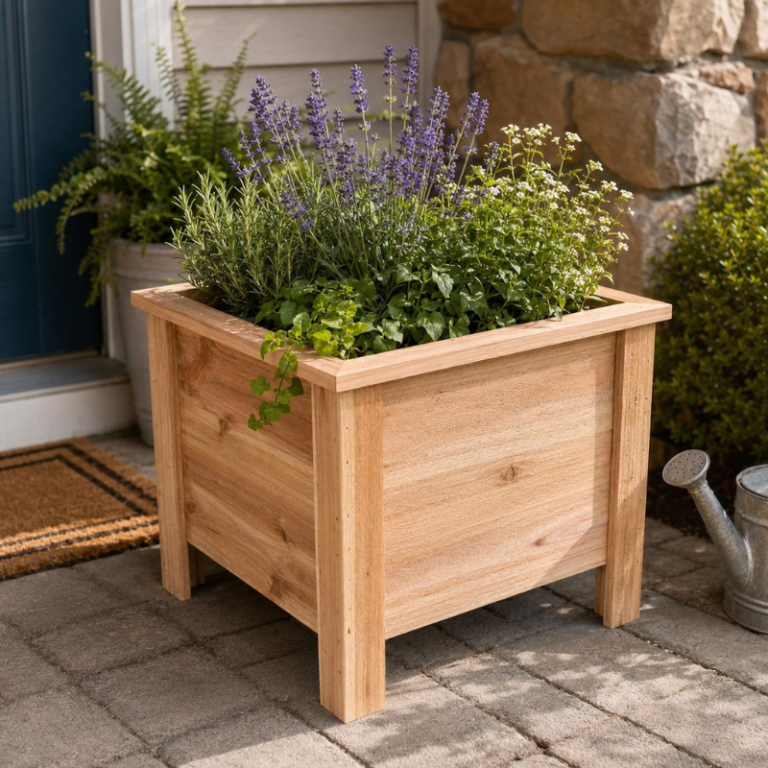
Thinking about a raised bed? Here is how to pick the right size, where to put it, what to fill it with and what to grow first.
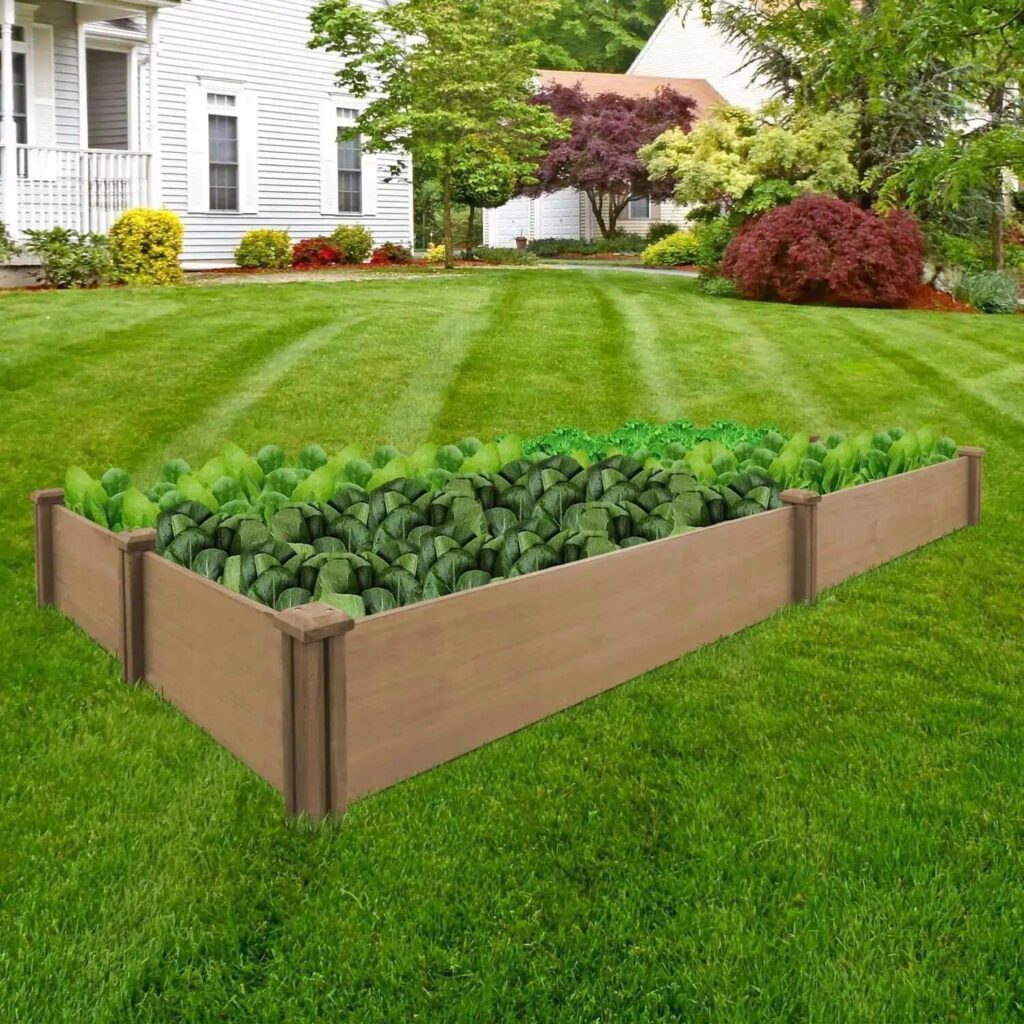
Raised garden beds make growing food and flowers easier: the soil warms up earlier in spring, drains better, and you can garden without kneeling on the ground. Here is everything you need to get started.
Choose the right size
- Width: keep beds no wider than about 4 ft so you can reach the middle from both sides (or 2–3 ft if the bed sits against a wall).
- Depth: 6–8 inches works for herbs, lettuce and flowers; 10–12 inches or more is better for tomatoes, peppers and root vegetables.
- Height: elevated beds on legs bring the soil to waist height — ideal for patios, balconies and anyone who wants to avoid bending.
Pick a sunny spot
Most vegetables need 6–8 hours of direct sun per day. Choose a level area close to a water source — you will water more often than you think. On a balcony or deck, a planter with locking wheels lets you follow the sun.
Fill it the right way
Use a mix of roughly 60% topsoil, 30% compost and 10% potting material such as perlite or coco coir, or buy a ready-made raised-bed mix. For tall beds, you can fill the bottom third with untreated wood pieces or leaves to save on soil.
What to grow first
- Easy wins: lettuce, radishes, bush beans, herbs like basil and parsley.
- Summer favorites: cherry tomatoes, peppers, zucchini (give them space).
- Climbers: peas, pole beans and cucumbers love a trellis.
Keep it thriving
Mulch the surface to hold moisture, top up with compost each season, and rotate crops so the same family is not planted in the same spot every year.
Find your raised bed
See our raised beds and planters — from the large 8×4 ft modular bed to the elevated bed with storage shelf and the 2-tier bed with trellis.